Sherman Reservoir: A First-Visit Guide
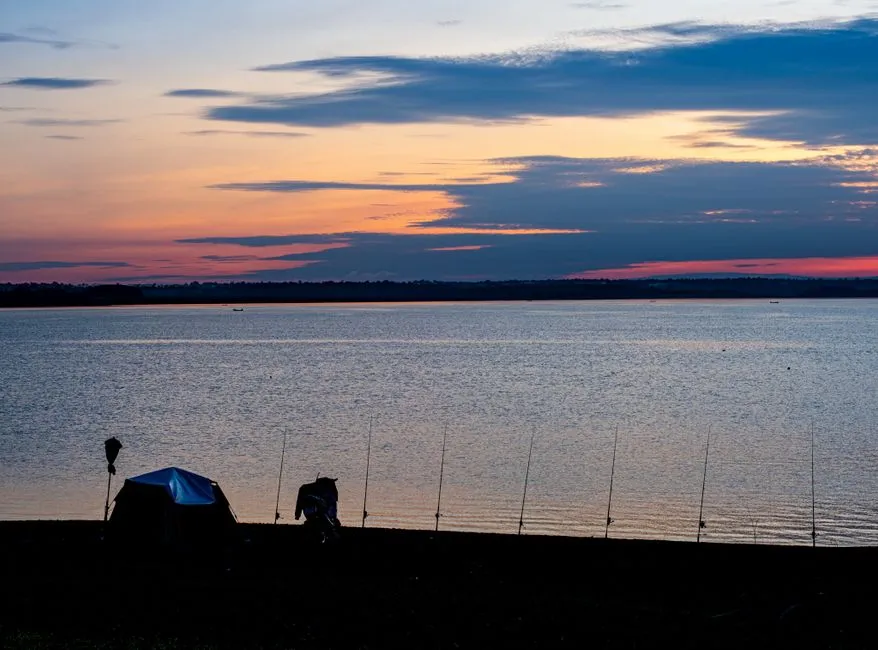
Check the live park page first
Sherman Reservoir State Recreation Area lies near Loup City in central Nebraska. Nebraska Game and Parks lists boating, camping, fishing, hiking, hunting, picnicking, food service, and a marina among its features. Those labels describe possible activities, not a promise that every ramp, station, campground service, shoreline, or concession is available today.
Open the official Sherman Reservoir page before leaving. Read the alert box, closures and safety advisories, park map, permit information, and reservation details. Water levels, drought, fire restrictions, repairs, weather, hunting seasons, and operating schedules can alter a visit. Download the map for offline use, but follow newer signs and staff instructions on site.
A Nebraska park entry permit is required. Fishing, hunting, boating, and camping may involve additional licenses, registrations, reservations, or rules. Confirm requirements for your activity and date rather than borrowing a friend's confident memory from 2019.
Decide what kind of day this is
Choose one primary purpose:
- Shore-and-picnic day: locate an authorized day-use area, shelter, or shoreline access on the current map.
- Walking day: select a mapped route and confirm its condition, permitted uses, and difficulty with park staff.
- Boating day: verify ramp status, water conditions, registration, required safety equipment, and local boating rules.
- Fishing day: obtain the current Nebraska fishing guide and license, then check species, season, size, possession, and area restrictions.
- Camping trip: identify the campground class, reservation status, services, check-in process, and equipment needs.
Trying to make one arrival serve all five produces a trailer full of gear and a remarkably short picnic.
Connect the reservoir with our first-visit plan for Loup City when you want meals and town time on the same trip.
Match camping expectations to the site
The park's official page distinguishes basic non-electric camping from electrical sites and identifies named campground areas. Services differ by location and season. Some electrical sites may be reservable while others operate first come, first served; those arrangements can change, so use the official reservation system and current park instructions.
Before booking, confirm pad or site type, electrical connection, vehicle and equipment limits, water, restrooms, showers, dump access, quiet hours, pets, fires, generators, and cancellation terms. “Camping at the reservoir” is not one standardized product.
Do not assume shoreline proximity means safe swimming access or a place to launch. Stay within assigned sites and authorized routes. If accessibility is essential, ask park staff about the exact site surface, slope, route to facilities, toilet and shower setup, and any temporary barrier.
Prepare for wind, sun, storms, and fire rules
Reservoir weather deserves respect. Check the forecast and alerts, then watch conditions throughout the visit. Wind can make paddling, small-boat handling, tent setup, and open-water return much harder. Thunderstorms require leaving the water and exposed shore; follow official severe-weather guidance and seek appropriate shelter.
Bring more drinking water than a casual drive suggests, plus sun protection, layers, sturdy footwear, and insect repellent suited to your needs. Secure hats, wrappers, and light gear before the wind volunteers to redistribute them across Nebraska.
Use fires and grills only where and when permitted. Drought conditions can bring local fire bans, and a campground fire ring does not override a current restriction. Extinguish permitted fires completely and never leave them unattended.
Make boating safety the plan, not an accessory
Before launching, inspect the vessel and required safety equipment. Every person should have an appropriate, correctly fitted life jacket as required by current law and good judgment. Tell someone on shore your route and expected return. Carry communication and navigation appropriate to the area, and never operate a boat after drinking.
Check ramp and dock status, wind, visibility, water level, and hazards. Slow down near ramps, docks, anglers, swimmers, paddlers, and shore. Do not assume open water means unrestricted speed or use. Nebraska's current boating regulations and posted local rules control.
Clean, drain, and dry boats and equipment according to Nebraska aquatic-invasive-species guidance. Never move plants, animals, bait, or water between water bodies contrary to current rules.
Fish by the current guide
Sherman Reservoir supports several sport-fishing opportunities, but regulations can change by year, species, size, location, and season. Use the current Nebraska fishing guide rather than copying a limit from an old article. Carry the required license, know how to identify the catch, and measure accurately.
Dispose of line and hooks safely. Use designated fish-cleaning facilities only when open, and follow posted waste instructions. A facility marked on a map may be temporarily unavailable, so check the park alert before arriving with a cooler and a very specific plan.
Share the shoreline
Keep campsites and day-use areas clean, observe quiet hours, and give other visitors space. Do not feed or approach wildlife. Keep pets under the control required by park rules and remove waste. Hunting can occur in authorized surrounding areas during legal seasons; wear visible clothing when appropriate and obey closures and boundaries.
Browse reservoir days for activity-specific plans and town plans for supplies and a post-lake meal. End the outing early if weather, fatigue, equipment trouble, or changing conditions make the original plan unsafe. The reservoir will not be offended. It has handled cancellations before.